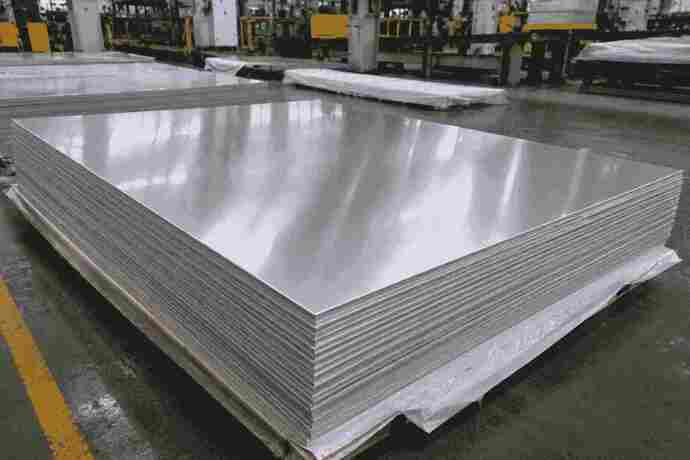
Aluminum sheet is one of the most widely used materials across industries such as construction, transportation, marine engineering, electronics, and manufacturing. Thanks to its lightweight properties, excellent corrosion resistance, and ease of fabrication, it has become the preferred choice for many industrial and commercial applications.
However, choosing the right aluminum sheet is not always straightforward. Different alloys, thicknesses, and surface finishes are designed for different purposes, and selecting the wrong material may increase costs or reduce product performance.
In this guide, we’ll explain the key factors to consider when choosing an aluminum sheet, helping you make a more informed purchasing decision.
What Is an Aluminum Sheet?
Dimension Standard, Processing Performance & Core Strengths of Thin Rolled Aluminum Material
An aluminum sheet is a flat-rolled aluminum product with a thickness typically ranging from 0.2 mm to 6 mm. Compared with thicker aluminum plates, aluminum sheets are easier to cut, bend, stamp, and fabricate, making them suitable for a wide variety of applications.
Some of the main advantages of aluminum sheets include:
- Lightweight with a high strength-to-weight ratio
- Excellent corrosion resistance
- Easy to machine, weld, and form
- Good thermal and electrical conductivity
- Fully recyclable and environmentally friendly
Because of these benefits, aluminum sheets are commonly used in architectural projects, industrial equipment, transportation, packaging, and consumer products.

Common Aluminum Sheet Grades
Introduction to 1050, 3003, 5052, 6061 Alloys, Their Performance & Application Scenarios
Different aluminum alloys provide different mechanical properties and are suitable for different environments. Below are four of the most commonly used grades.
1050 Aluminum Sheet
1050 aluminum contains a high percentage of pure aluminum, offering excellent corrosion resistance and electrical conductivity. It is easy to process but has relatively low strength.
Typical applications:
- Decorative panels
- Chemical equipment
- Electrical components
3003 Aluminum Sheet
3003 is one of the most popular commercial aluminum alloys. It provides better strength than 1050 while maintaining excellent corrosion resistance and workability.
Typical applications:
- Roofing panels
- Storage tanks
- Kitchen equipment
- Building materials
5052 Aluminum Sheet
5052 aluminum is known for its outstanding corrosion resistance, especially in marine environments. It also offers good fatigue strength, making it suitable for demanding applications.
Typical applications:
- Marine equipment
- Fuel tanks
- Pressure vessels
- Truck bodies
6061 Aluminum Sheet
6061 is a heat-treatable alloy with high mechanical strength and excellent machinability. It is widely used in structural and engineering applications.
Typical applications:
- Machinery parts
- Industrial equipment
- Aerospace components
- Structural frames
Selecting the appropriate alloy depends on your project requirements, working environment, and performance expectations.
How to Choose the Right Aluminum Sheet
Five Core Selection Factors: Application, Alloy, Thickness, Surface Finish & Budget
Before placing an order, consider the following factors to ensure you select the most suitable aluminum sheet.
1. Application
The intended application should always be your first consideration.
For example:
- Construction projects often require corrosion-resistant materials.
- Marine applications need alloys that perform well in saltwater environments.
- Industrial equipment may require higher strength and better machinability.
Choosing an alloy designed for your specific application can improve product performance and extend service life.
2. Alloy Grade
Each aluminum alloy has unique characteristics. Selecting the correct grade helps balance strength, corrosion resistance, weight, and cost.
If you’re unsure which alloy is best for your project, consult an experienced aluminum supplier who can recommend the most appropriate material.
3. Thickness
Thickness directly affects strength, weight, and manufacturing cost.
Thin sheets are suitable for decorative and lightweight applications, while thicker materials are better for structural components and heavy-duty equipment.
Always choose the minimum thickness that meets your engineering requirements to optimize both performance and budget.
4. Surface Finish
Different surface treatments provide different appearances and levels of protection.
Common finishes include:
- Mill Finish
- Anodized
- Brushed
- Powder Coated
The right finish depends on both functional requirements and visual preferences.
5. Budget
The lowest price does not always provide the best value. Product quality, delivery reliability, packaging, and technical support should all be considered when evaluating suppliers.
A reliable supplier can help reduce long-term costs by providing consistent quality and professional service.
Common Applications of Aluminum Sheets
Main Industrial Scenarios Including Construction, Transportation, Marine and Industrial Equipment
Aluminum sheets are widely used across many industries due to their versatility.
Construction
Aluminum sheets are commonly used for:
- Building facades
- Roofing systems
- Wall cladding
- Decorative panels
- Ceilings
Transportation
The transportation industry benefits from aluminum’s lightweight properties.
Typical applications include:
- Truck bodies
- Railway components
- Vehicle panels
- Trailers
Marine Industry
Marine-grade aluminum sheets are ideal for:
- Boat hulls
- Ship structures
- Offshore platforms
Their excellent resistance to seawater corrosion makes them a preferred material in marine environments.
Industrial Equipment
Many manufacturers use aluminum sheets for:
- Machine covers
- Equipment housings
- Storage tanks
- Electrical cabinets
Their excellent machinability helps improve production efficiency while maintaining durability.
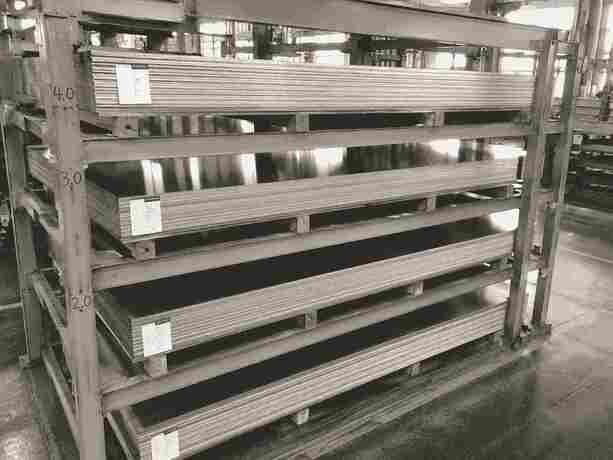
Choosing the right aluminum sheet involves more than simply comparing prices. Alloy grade, thickness, surface finish, and intended application all play an important role in determining the best material for your project.
Whether you’re sourcing aluminum sheets for construction, transportation, marine engineering, or industrial manufacturing, working with an experienced supplier can help ensure consistent quality and reliable delivery.
By understanding the basic characteristics of different aluminum sheets, buyers can make better purchasing decisions, reduce project risks, and achieve better long-term value.